Properly drafted terms of reference will help to relieve the customer and the contractor from unnecessary problems and determine exactly what and how should be done in the project. The clearer and more coherent the requirements for the final product are, the better the process participants understand what it should be like at the final stage.
When drafting the terms of reference, the following factors are taken into account:
AVADA MEDIA offers services for the development of technical specifications for any software: PWA and SPA applications, mobile applications, online stores, corporate sites, chat bots, etc.
In addition to mobile applications, which are well known to most users, our company is engaged in the development of terms of reference for the development of PWA and SPA applications.
PWA (Progressive Web Application) is a hybrid of a website and a mobile application. This technology allows you to increase the website loading speed on mobile gadgets, install it on a device in one click (without app stores, for example, Google Play), make the resource available offline (using the cache), etc.
SPA (Single Page Application) is a single-page web application that constantly interacts with the user.
SPA dynamically rewrites a single page rather than loading new pages from the server.
The terms of reference for applications describes specifically everything that the client would like to receive from the future product: from button design to functionality.
First of all, a mockup (mockup) is created, after which work begins on the MVP (minimum viable product) to receive feedback from the customer and users. This step allows you to create a complete software product without unnecessary costs and risk.
Due to a detailed and clear technical assignment, the client receives exactly the result he wanted at the output – an online store, a corporate website, a business card website or a landing page that fully meet his expectations and needs of the target audience.
There are several general criteria that are used in the drafting of terms of reference for sites:
An example of a technical assignment for the development of a large website or online store will include some of additional points:
Delivery and payment systems are specified without fail, in particular, if an API for calculating the cost of delivery will be integrated into the site structure.
If the client has wishes regarding the platform, development, or a specific content management system, they are also included in the project terms of reference.
We create a technical assignment according to the established scheme. At the beginning, we always hold a general meeting with the client, where there are account or project managers, if necessary, other specialists or consultants. On it there is a general collection and structuring of information about the site, the wishes of the customer. Also, specific technical points for the implementation of the project are discussed, we explain the pitfalls and nuances.
For demonstration purposes, we can provide typical examples of technical specifications, but adaptation and development is carried out individually for the client. We have a lot of examples and samples of TK for LC.
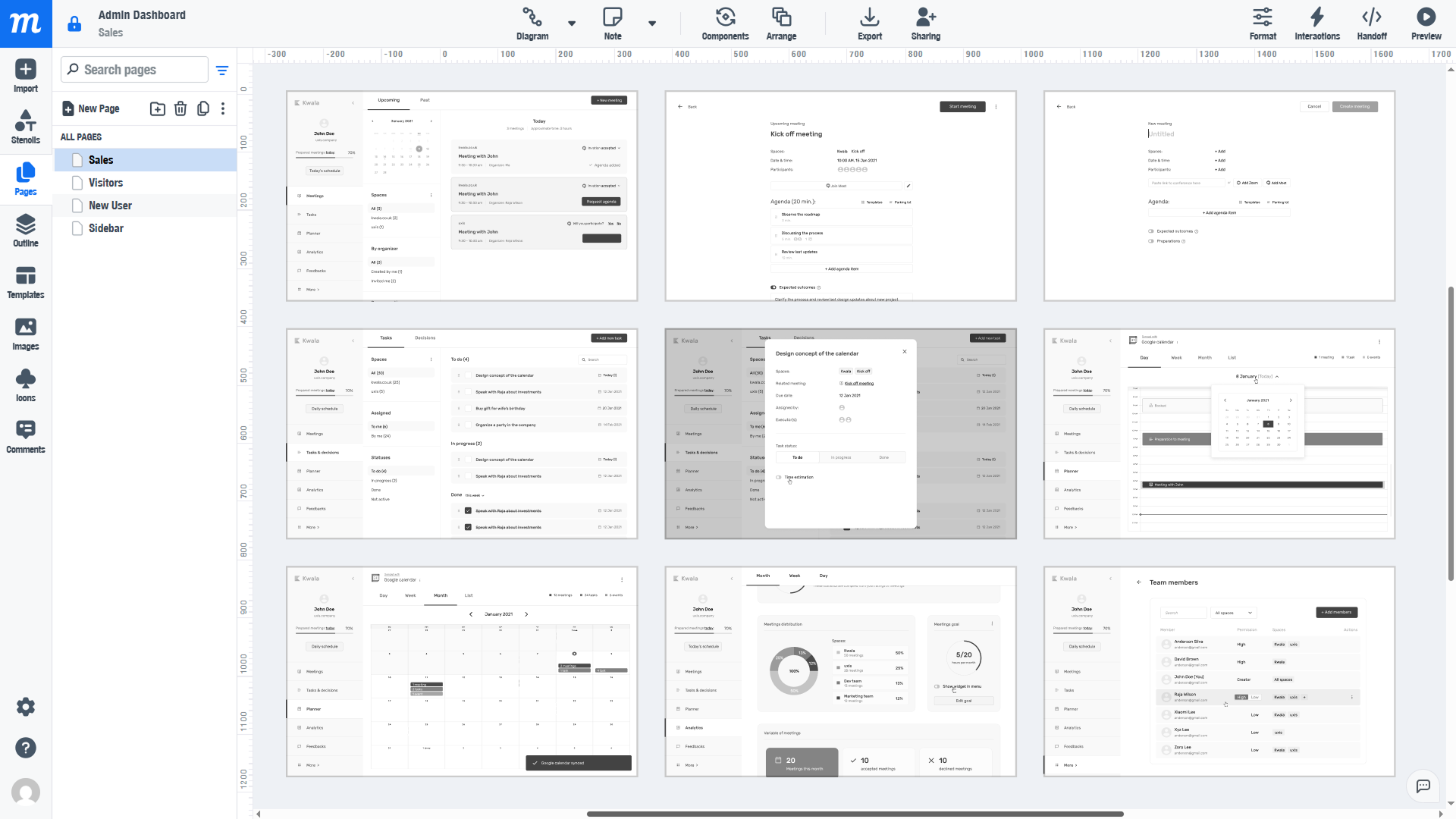
At the first stage, a UX prototype of the office is developed. The prototype is developed in the moqups tool for maximum transfer of details and functionality of the future interface. After that, prototypes are transformed by our technical writers into ready-made technical specifications for developers. We send them to the client for approval, and, if necessary, make corrections and individual wishes.
Next, a summary table of the LC functions is created, with their explanation. Video instructions for programmers are being made.
What should you mainly pay attention to when creating a technical specification for a user’s personal account?
First of all, this is a detailed design of all the fields that the site visitor must fill in. Next, you need to plan the functionality and interface of the office. In particular, what opportunities the user will have in the profile, whether a referral system is needed, categorization, whether additional functionality is needed, interactive forms or fields. The technical part is being worked out in separate points – connection with the database, integration with CRM, if any, and other services.
Chatbots are programs that allow you to automate communication with users using text or audio messages. They are widely used in instant messengers and mobile applications. With the help of machine learning, the program independently chooses the optimal communication model and establishes communication.
When developing a chatbot, we include the following requirements in the TOR:
The chatbot is used in various areas of business: from customer support and FAQs to the automation of internal enterprise processes.
The chatbot has found application in various business areas: from customer support and FAQs to automating the internal processes of an enterprise.
Designing software requires a clearly structured approach, since the finished product must perform all the functions assigned to it accurately and reliably. That is why you should not neglect the early stages of development, including analysis of initial data, prototyping and writing technical specifications.
While working on a project, many new ideas often arise, and the main thing in such a situation is to be able to focus on the initial paradigm inherent in the terms of reference. A pre-written document makes it easy to measure all creative developments and analyze them in accordance with the approved parameters.
Depending on the form of presentation and deployment, two types of technical specifications can be distinguished:
A document drawn up in the form of a full-fledged technical project helps to avoid most controversial situations. This option will be beneficial for both the customer and the developer.
Despite the individual approach to each project, almost any example of a technical specification for software development will include the following points:
Also, when describing the purpose of the software, one should give the main scenarios for how users work with it, describe in detail the set of roles for users, their rights and access, indicate mathematical methods and models, typical algorithms and algorithms that are under development. If the system is to integrate with other programs or use other resources, then you must specify them in the form of a list.
The terms of reference may include various pivot tables, diagrams, diagrams, calculations and other additional materials that are used in the design.
You can order a terms of reference for the development of any software product from AVADA MEDIA, which will greatly facilitate and speed up the process of creating a new project.
Beforehand, we discuss in detail all the requirements with the client to minimize risks and disputable situations, discuss his wishes, goals, and objectives of the project. The manager asks additional questions, clarifies details, and records all important information regarding the future product.
Experts analyze the potential result, make recommendations, select technical means and ways to implement the customer’s idea.
In the future, the project manager coordinates each item with the client and constantly communicates with him in order to make changes to the terms of reference as needed.
Specialists analyze the potential result, make recommendations, choose technical means and ways to implement the customer’s idea.
In the future, the project manager coordinates each item with the client and constantly communicates with him in order to make changes to the terms of reference as necessary.
When drawing up terms of reference, the AVADA MEDIA team always takes into account that each project has its own specifics, which largely depend on the goals and scale. For example, for complex systems, we design databases using Swagger.
An experienced team, which has previously developed and implemented many successful solutions and projects that have shown excellent results in the CIS and other countries’ markets is engaged in drafting terms of reference.
Ultimately, you will receive a detailed, clear, and technically competent visualization of the future project, in the development of which highly qualified specialists will take part. We have vast experience in designing large business systems, online stores, marketplaces, and information portals with millions of audiences.
If you have any questions, our managers will promptly answer them and prepare an individual commercial offer for you.
Prototyping mobile applications, Internet services, and other digital projects is a key stage in the development of any software products. It allows you to visually present and, if necessary, adjust all the requirements of the technical specifications. Prototyping translates the formal and informal wishes of the customer, presented in the form of text, dictaphone records, and sets of illustrations, into a thoughtful and clearly designed prototype of a digital product.
The development of digital services and network services, whether it is the creation of mobile or web solutions in the field of Internet commerce, online banking, accounting, services, construction or logistics, is based on an object-oriented approach. This approach allows us to present a digital service as of a set of software objects with certain features.
The interaction of objects and their characteristics determine the logic of the digital service.
In other words, we can say that any digital solution can be easily displayed not only in the form of program code or executable files but also in graphical representation as a prototype of the product. The latter is a set of visual flowcharts, transition diagrams, logical interface elements, and design layouts.
By analogy with building design, software design makes it possible to depict the architecture of a software product. Therefore, software engineers are even called software or system architects.
A clear understanding of digital product logic allows you to translate customer requirements into a language understandable to developers and not to be mistaken in choosing the platform and technologies that will be used for development. Prototyping makes it possible to clearly define the time frame, budget and workload of specialists who are planned to be involved in the project.
The prototype of a digital product is the main part of the technical task. Its creation takes an average of 2 weeks to 1 month. Moreover, at the prototyping stage, as well as at the stage of the initial statement of TOR, customer involvement is extremely important.
The customer usually does not know programming basics and logic of the digital product work, so they should be describes quite objectively to him. The way imagines system operation is sometimes difficult to describe in words. Even successfully and clearly presented description of a digital system can be misunderstood. Developers may not fully understand the general requirements of the technical specifications.
Of course, any mistake can be fixed and misunderstanding eliminated. But if you do this in the later stages of development, when the design is ready and writing and testing the program code is taking place, fixing the error will be very costly. After all, the whole process initially went the wrong way with the wrong logic.
But if you describe, analyze and visualize the structure and logic of the digital solution at the design stage, the efficiency and terms of software development will optimally increase.
We use the multi-functional online editor Moqups to prototype digital products. This tool makes it possible to present a software solution in the form of a set of graphic templates representing pages or windows of an application. In this case, between pages and windows, you can immediately set the links and directions of transitions.
On each of the of the project pages, you can place all kinds of functional blocks, logical elements, and tools for displaying content, such as:
To arrange the layout of a digital product, all these elements are placed in the working area of the prototype windows (pages), setting their features, changing the shape, size, color, and other parameters. An important advantage of the Moqups.com tool is that you can add clarifying comments to any block, which facilitates the interaction between developers, designers, the customer, and other specialists.
The final prototype provides a high-level simulation of the website operation, mobile application or other type of digital service. Interactivity and visualization of logic allow you to carefully think out the software framework of the future digital product at the software design stage.
AVADA MEDIA offers comprehensive digital product design services that lay a solid foundation for the effective development of websites, online stores, mobile applications, administrative interfaces, and complex automation systems. We develop UX/UI prototypes, functionality logic, and technical specifications that optimize further development and ensure maximum business value for the product.
Online store prototype includes in-depth analysis of the catalog structure, user scenarios, search logic, filters, and product pages. This allows us to create convenient navigation, a well-thought-out customer journey, and a basis for SEO optimization already at the layout stage, which contributes to high positions in search engines and better conversion.
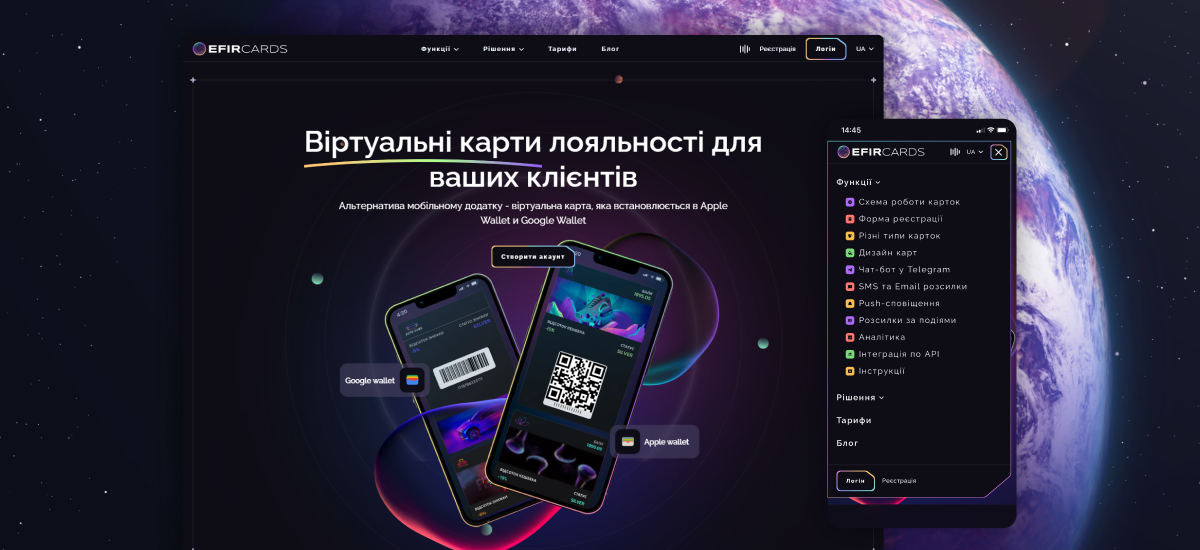
We prototype websites taking into account strategic business goals and target audience behavior. At the design stage, we determine the page structure, navigation logic, UX/UI layouts, integrations, and promotion methods. This allows us to create an informative, user-friendly, and technically optimized website that meets the requirements of users and search engines.
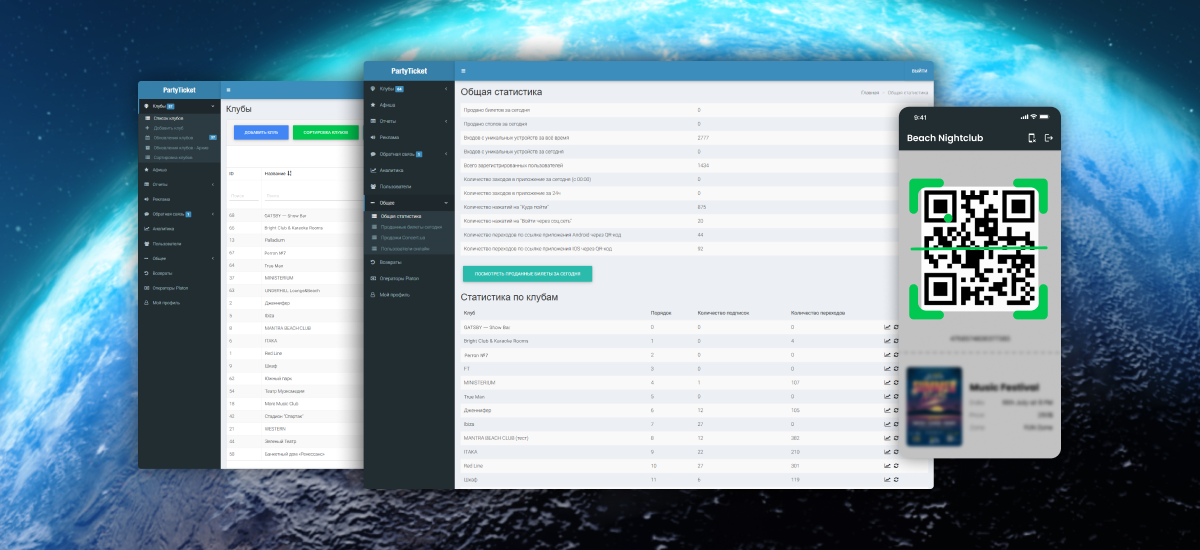
Prototyping admin panels means creating intuitive tools for managing content, data, and business operations. A well-designed admin panel provides effective content editing, user management, analytical dashboards, and automation of routine tasks without involving developers at every step.
Mobile solution modeling begins with analyzing user needs and UX interaction scenarios, creating prototypes, and technical specifications. This allows us to determine the MVP, architecture, functional blocks, and interface design before development begins, which significantly increases the chances of the finished product’s success on the market.
Admin panels for mobile applications are an important part of managing the functionality of the application. Our projects include UX layouts and administrator and user interaction scenarios, which simplifies administration, speeds up data processing, and reduces technical support costs.
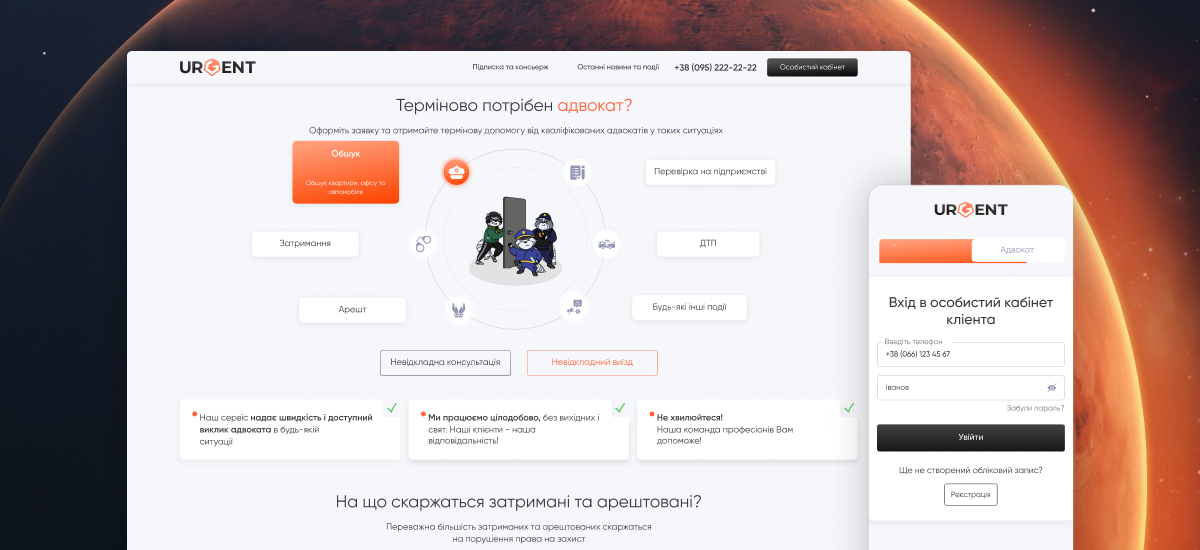
Creating personal accounts for users provides personalized interaction with the service: from placing orders and tracking status to managing subscriptions and bonus programs. A well-thought-out UX approach allows you to increase audience loyalty and automate part of customer service.
Prototyping automated terminal systems involves modeling architecture, transaction processing scenarios, and integration with peripheral equipment, which ensures stable operation and scalability in various business processes.
Prototyping high-load systems involves creating a reliable architecture that can handle significant traffic volumes and complex calculations. This ensures the performance, scalability, and stability of the system even during peak loads.
Such comprehensive design allows AVADA MEDIA to ensure high quality, predictable implementation times, and minimal risks when developing any digital products – from websites and e-commerce solutions to large-scale IT systems and mobile applications.
To create relatively simple digital solutions, and also if the customer has experience in software development and can fully and in detail describe the logic of the software product, prototyping can be omitted.
In this case, you can simply write an expanded TOR in the form of text and illustrations. However, in all other cases, when creating custom and professional digital solutions, the software design phase makes it possible to save time significantly, and hence the budgets that will be spent on development.
We have sufficient experience and ready-made examples of the development of online services prototypes, applications, software, and sites of different architectures.
The use of these developments in new digital products increases the efficiency of software design, maintains reliable feedback from the customer and the executors. It allows to obtain better software at the output.
Contact the experts Have a question?
Developed by AVADA-MEDIA™
The user, filling out an application on the website https://avada-media.ua/ (hereinafter referred to as the Site), agrees to the terms of this Consent for the processing of personal data (hereinafter referred to as the Consent) in accordance with the Law of Ukraine “On the collection of personal data”. Acceptance of the offer of the Consent is the sending of an application from the Site or an order from the Operator by telephone of the Site.
The user gives his consent to the processing of his personal data with the following conditions:
1. This Consent is given to the processing of personal data both without and using automation tools.
2. Consent applies to the following information: name, phone, email.
3. Consent to the processing of personal data is given in order to provide the User with an answer to the application, further conclude and fulfill obligations under the contracts, provide customer support, inform about services that, in the opinion of the Operator, may be of interest to the User, conduct surveys and market research.
4. The User grants the Operator the right to carry out the following actions (operations) with personal data: collection, recording, systematization, accumulation, storage, clarification (updating, changing), use, depersonalization, blocking, deletion and destruction, transfer to third parties, with the consent of the subject of personal data and compliance with measures to protect personal data from unauthorized access.
5. Personal data is processed by the Operator until all necessary procedures are completed. Also, processing can be stopped at the request of the User by e-mail: info@avada-media.com.ua
6. The User confirms that by giving Consent, he acts freely, by his will and in his interest.
7. This Consent is valid indefinitely until the termination of the processing of personal data for the reasons specified in clause 5 of this document.
Send CV
Contact us in any convenient way for you:
+ 38 (097) 036 29 32