×
More detailschevron_right

Online services

Online services

Title Banner Image

Online services have become the foundation of the modern digital economy. They connect users, automate processes, create new monetization models, and enable businesses to operate without geographic restrictions. Today, these aren’t just websites, but full-fledged digital products – platforms, systems, marketplaces, SaaS solutions, and automation services that create ecosystems around a brand and ensure sustainable development.

The Avada Media team has practical expertise in developing complex online systems with well-designed architecture and high performance. We create solutions designed for audience growth, stable operation under high load, and reliable data protection, transforming digital products into strategic assets for the company.

Depending on the business’s objectives, online services can vary in focus, architecture, and feature set. Below are the key types of solutions we implement.

What online services do we develop?

We create digital solutions of varying complexity – from highly specialized internal systems to multifunctional platforms with thousands of users.

1. SaaS (Software as a Service) Platforms

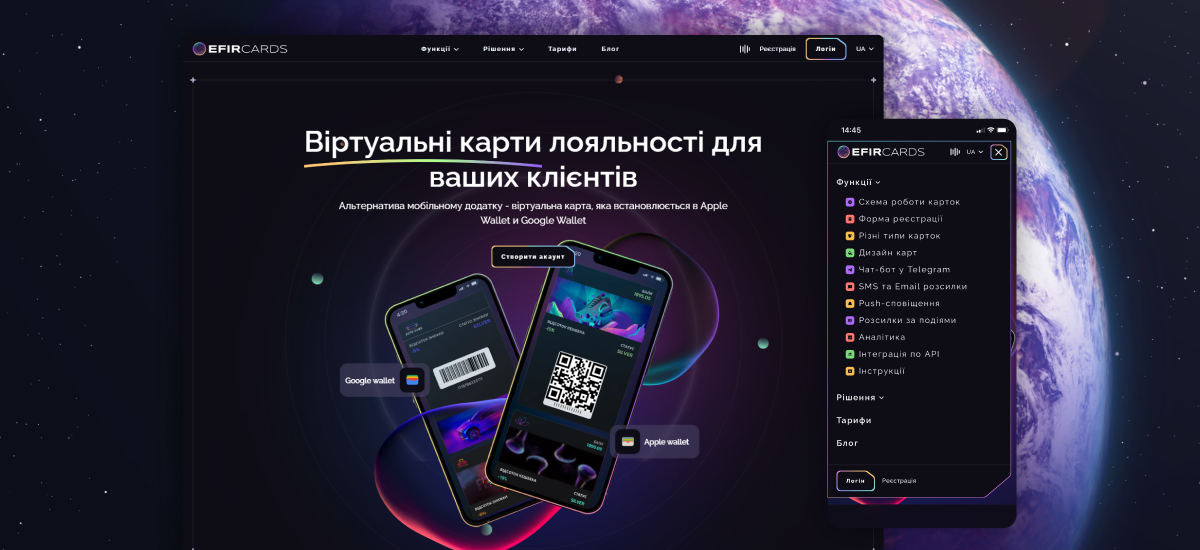
SaaS is an online subscription service that users access through a browser or mobile app without installing complex software. Businesses receive a ready-made tool “from the cloud,” and customers receive quick access to functionality from anywhere. These platforms become the core of a digital product: they automate processes, connect users, and create a predictable recurring revenue model.

Well-known SaaS solutions include: Salesforce, Slack, Zoom, Shopify, Dropbox.

What a modern SaaS platform includes:

  • convenient registration and account management
  • flexible system of roles and access levels
  • tariff plans and a subscription monetization model
  • billing and integration with payment systems
  • real-time analytics and reporting
  • API for integration with external services

A well-designed SaaS platform creates a stable recurring revenue model and turns a digital product into a long-term company asset.

Online services

2. Marketplaces

A marketplace is a digital ecosystem where sellers and buyers interact on a single platform, and the system manages transaction logic, security, and financial flows. It is an independent business model with its own monetization, user roles, and internal processes.

Well-known marketplaces include: Amazon, eBay, Etsy.

As part of marketplace development, we can implement:

  • personal accounts for different types of users (sellers, buyers, administrators)
  • a commission system and flexible financial settlements
  • internal balance and sophisticated transaction logic
  • content moderation tools
  • ratings, reviews, and trust-building mechanisms
  • automated order distribution among providers

A well-thought-out marketplace architecture allows you to build a sustainable ecosystem where the platform manages processes and profits from every transaction.

Screenshot
Screenshot
Screenshot
Screenshot
Screenshot

Online marketplace page interfaces

3. Service Aggregators

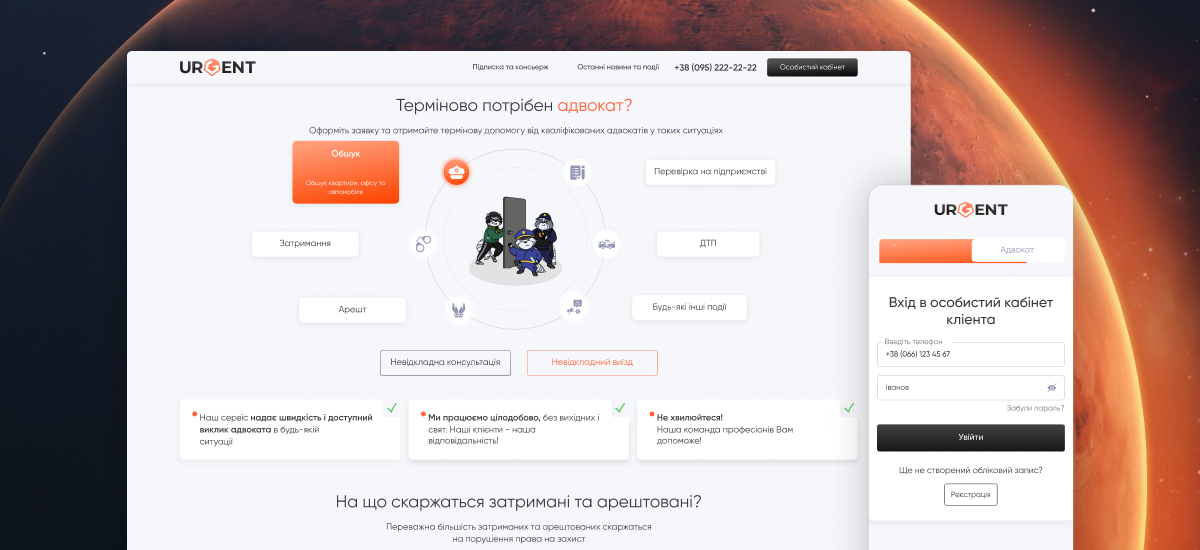
A service aggregator is a platform that combines offers from different companies or specialists in a single, user-friendly interface. Users compare terms, select the appropriate option, and place an order quickly and easily.

These services simplify selection, increase market transparency, and enable businesses to systematically attract customers.

Well-known examples include: Booking.com, Glovo, Skyscanner, Upwork, Airbnb, Uber.

In a service aggregator, we can implement:

  • intelligent search and flexible filtering
  • online booking or application processing
  • automated cost calculation
  • integration with calendars and schedules
  • notification system for clients and providers
  • online payment and secure transaction processing

Aggregators are especially in demand in the logistics, education, healthcare, tourism, and service industries. With proper architecture, such a service becomes a platform capable of uniting thousands of performers and processing a large flow of requests without compromising the quality of work.

Online services

4. Enterprise Automation Systems

Enterprise automation systems are internal online platforms that help companies operate faster, more transparently, and more efficiently. They integrate processes, employees, and data in a single digital environment, reducing dependence on manual labor and the human factor.

Well-known solutions in this area include: SAP, Odoo, Asana, Monday.com.

As part of our enterprise system development, we can implement:

Such a platform improves business manageability, reduces operating costs, and makes processes transparent at all levels of the company.

Screenshot
Screenshot
Screenshot

Examples of screens of a commercial CRM system

5. Financial and Logistics Services

Online financial and logistics services are technologically complex, high-load platforms where payment accuracy, operational stability, and data security are paramount.

Errors are unacceptable: the system must process thousands of transactions in real time and guarantee information security.

Well-known examples of such solutions include: PayPal, Stripe, Wise, FedEx, DHL.

As part of developing a financial or logistics service, we can implement:

  • payment modules of any complexity
  • scoring systems and risk assessment algorithms
  • transaction and financial flow management
  • automated order or cargo routing
  • integration with banking APIs and external systems
  • data protection in accordance with modern security standards

A reliable digital system ensures payment accuracy, risk control, and stable operation under high loads.

Screenshot
Screenshot
Screenshot

Example of a system for an online order delivery service

6. Media and Content Platforms

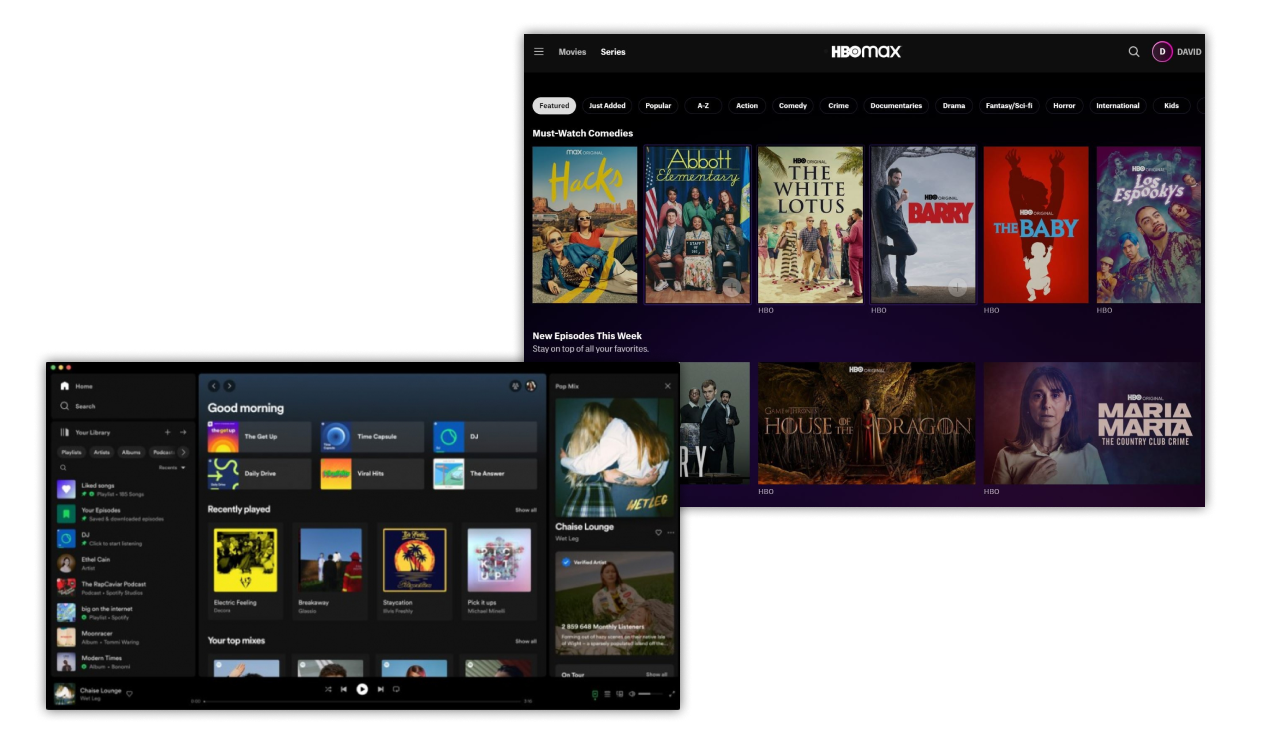
Media platforms are online services that allow you to publish, distribute, and monetize digital content: video, audio, articles, educational materials, or live broadcasts. These solutions build a brand’s audience, generate a regular traffic flow, and open up flexible monetization models, from subscriptions to advertising integrations.

Well-known examples include: YouTube, Netflix, Spotify, Medium.

As part of media platform development, we can implement:

  • video hosting or audio streaming
  • a convenient content upload and management system
  • a subscription access model or paywall
  • advertising modules and partner integrations
  • a monetization system for authors
  • analytics of views, retention, and engagement

A content platform turns the audience into an asset and creates flexible revenue streams, from subscriptions to advertising.

Screenshot
Screenshot
Screenshot

Examples of digital video platform screens

7. Social and Community Platforms

Social and community platforms are online services that focus on human interaction. Their primary value lies not in the content itself, but in communication, sharing experiences, and building an active community around interests, professions, or brands.

Well-known examples include: Facebook, LinkedIn, Reddit, Discord.

As part of developing a social or community platform, we can implement:

  • user profiles with flexible settings
  • activity feeds and personalized feeds
  • groups, communities, and thematic spaces
  • comment and reaction systems
  • internal moderation tools
  • notification systems and private messaging

A social platform can become a standalone digital product with its own monetization model – through subscriptions, advertising, or paid functionality.

Screenshot
Screenshot
Screenshot
Screenshot

Example of possible functionality on social platform pages

8. EdTech, LMS, and Learning Platforms

EdTech platforms are online educational services that enable the systematic training of thousands of users simultaneously. They are more than just a place to host video courses; they are a fully-fledged digital environment with a learning logic, progress analytics, and a flexible monetization model.

The technological foundation of such solutions is typically an LMS (Learning Management System). It is responsible for course structure, user roles, performance analytics, access and payment automation, and integration with external services.

Well-known examples include: Coursera, Udemy, Duolingo, Khan Academy.

As part of our educational platform development, we can implement:

  • personal accounts for students and teachers
  • progress tracking and learning analytics
  • testing, quizzes, and a certification system
  • integrated video platform or webinars
  • subscription model or pay-per-course
  • homework and feedback system

The educational platform can be either an addition to your existing educational business or a standalone digital product with its own monetization model.

Screenshot
Screenshot
Screenshot
Screenshot

Sections of the digital learning platform with AI integration

9. HealthTech Services

HealthTech platforms are online services in the medical and health sectors that make medical care and health monitoring accessible digitally. They unite patients, specialists, and data in a single system, simplifying communication and improving the quality of care.

Well-known examples include: Teladoc Health, MyFitnessPal.

As part of our HealthTech platform development, we can implement:

  • online consultations with doctors or specialists
  • secure storage of medical data
  • integration with wearable devices and trackers
  • appointment scheduling and management systems
  • electronic prescriptions and documents
  • user health analytics

Digital solutions in the health sector increase accessibility of services, optimize processes, and strengthen the competitive position of healthcare businesses.

Screenshot
Screenshot
Screenshot
Screenshot
Screenshot

Web service for appointment and conducting online medical consultations

Intelligent technologies and advanced capabilities

Developing an online service involves more than just basic functionality; it also offers the opportunity to enhance the platform with additional technological tools.

At Avada Media, we have expertise in implementing intelligent solutions that go beyond standard development. We can integrate additional automation, analytics, and AI modules into the service architecture, improving system accuracy, performance, and commercial efficiency.

Additional solutions that can be integrated include:

  • Personalized user recommendations
  • Predictive analytics and behavioral models
  • Intelligent scoring of customers, orders, or risks
  • Dynamic pricing
  • Automatic task prioritization
  • AI assistants for users and employees
  • AI-powered document and request processing
  • Adaptive learning or interaction scenarios
  • Automatic content moderation
  • Detection of anomalies and suspicious transactions
  • Generating content, reports, or descriptions

These tools help speed up processes, reduce operating costs, and increase conversion and audience retention.

We design the architecture in such a way that additional technological solutions can be integrated into the system organically – without complicating the logic and without the need for a complete redesign of the service as it evolves.

Online services

Online service development technologies

At Avada Media, we’re not tied to a single stack. Technologies are selected individually, taking into account business objectives, expected workload, security requirements, and growth prospects.

Our goal is not simply to “write code,” but to build a sustainable digital system that will operate quickly, securely, and stably as the audience grows.

Frontend – the user interface

The frontend is responsible for the look and feel of the service: speed, usability, interactivity, and adaptability to different devices.

React.js / Vue.js
Modern frameworks for creating dynamic interfaces. Suitable for:

  • Dashboards
  • SaaS platforms
  • Marketplaces
  • Services with filtering and complex logic
  • Online interaction systems

These allow you to create fast interfaces that are ready for increased workload and expanded functionality, with high performance.

HTML5 / CSS3 / JavaScript
Core technologies that ensure:

  • correct display on all devices
  • responsiveness for smartphones and tablets
  • interactivity (forms, animations, dynamic elements)
  • compliance with modern web standards

Backend – the logic and engine of the system

The backend is responsible for data processing, security, business logic, and integration.

Node.js
Used for high-load services and platforms with real-time data processing: chats, marketplaces, financial services, systems with instant updates.

Python (Django)
Suitable for:

  • SaaS platforms
  • analytical services
  • projects with AI elements
  • complex server-side logic

Django ensures a high level of security and high-quality development of complex projects.

PHP (Laravel, Yii2)
Optimal for:

  • Corporate platforms
  • Marketplaces
  • CRM and ERP systems
  • Projects with complex business logic

Laravel and Yii2 allow you to build a structured architecture and flexibly manage functionality.

We can also integrate AI modules into the backend architecture – from intelligent data processing to machine learning and predictive analytics.

Online services

Architecture and Infrastructure

We design the system to be scalable without a complete rewrite of the code and structure.

REST API
Allows the service to interact with mobile applications, external platforms, and third-party systems.

Microservice architecture
Divides the system into independent modules, simplifying the development and updating of individual components.

Cloud solutions
Provide flexible load management, fault tolerance, and rapid deployment.

CRM and ERP integrations
Allow the integration of online services with the company’s internal business processes.

Payment systems
Integrate online payments, subscriptions, billing, and automated billing.

IP telephony
Connects the digital platform with voice communication channels.

Security and encryption systems
We implement modern data protection standards, access control, encryption, and protection from external threats.

We design the online service architecture so it can grow with your business: withstand increased load, add new modules, and expand functionality without a complete system overhaul.

Online services

Stages of online service development

Creating an online service isn’t just programming. It’s a sequential process, where each stage impacts the project’s commercial outcome.

1. Business Analysis

Any development begins not with code, but with understanding the business logic.

At this stage, we:

  • define the business model and monetization strategy
  • analyze the target audience and its behavior
  • form functional requirements
  • develop detailed technical specifications

The goal of this stage is to define the project’s goals and understand the performance indicators that must be achieved.

2. Architecture Design

This is the foundation of the future system. Errors here can be costly as the project grows and the workload increases.

We:

  • build the logic of roles and access rights
  • model the database structure
  • describe user scenarios
  • create interactive prototypes (wireframes)

If necessary, we establish a microservice architecture and the ability to integrate AI modules so that the service can be expanded without a complete redesign.

3. UI/UX Design

Online service design is not only about visuals but also about user experience.

At this stage we:

  • develop a modern interface
  • ensure adaptability for all devices
  • design intuitive navigation
  • develop and coordinate a design system

The goal is to create a clear and logical user experience that increases conversion and retention.

Screenshot
Screenshot

The process of developing Wireframes of screens and the design system of the future online service

4. Frontend and Backend Development

The technical implementation stage, where the service is transformed into a working system.

We can implement:

  • Server and client logic programming
  • Administrative panel creation
  • API development and integration
  • External system integration (CRM, payment services, telephony, etc.)
  • AI tools and intelligent modules implementation

Frontend and backend development are parallel, allowing for optimized launch times.

5. Testing

Before launch, the online service undergoes a comprehensive check.

This includes:

  • Functional testing of all modules
  • Load testing with high user activity
  • Security and data protection testing
  • User scenario audit

Our goal is to ensure stable and predictable system operation even with increased load.

6. Launch and Scaling

The final stage is bringing the service into production and preparing for growth.

We:

  • deploy the project on the server
  • configure the infrastructure and environment
  • enable performance monitoring
  • provide technical support and development

The work doesn’t end after launch. An online service is a living product that evolves, expands functionality, and adapts to a growing audience as the business grows.

Screenshot
Screenshot
Screenshot
Screenshot
Screenshot
Screenshot

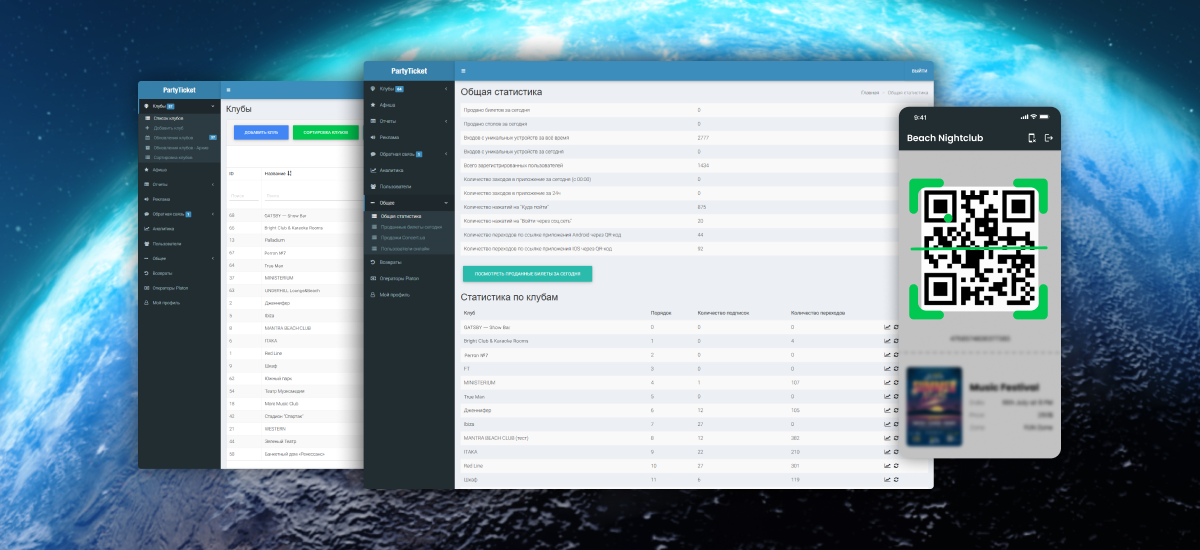
Examples of online ticketing service interfaces

Cost of developing an online service

The project cost is determined individually and depends on the architecture, logic complexity, and security requirements. An online service is a system designed for future development and increased workload, so the budget is directly related to the depth of functionality and level of automation.

The final cost is influenced by:

  • architecture complexity
  • number of user roles
  • scope of integrations with external systems
  • security and data protection requirements
  • level of automation and implementation of AI tools

Estimated development cost and timeline

Online service type Implementation timeline Cost
SaaS platform from 6–8 months from 25 000 $
Marketplace from 6–10 months from 35 000 $
Service aggregator from 6–8 months from 28 000 $
Corporate automation system from 6–9 months from 30 000 $
Financial/logistics service from 8–12 months from 45 000 $
Media or EdTech platform from 6–8 months from 27 000 $

These values are approximate and depend on the scope of functionality, depth of customization, and number of integrations.

The final estimate is determined after a briefing and a detailed task analysis. We develop the architecture, scenarios, and integrations in advance to create a transparent budget and realistic timeline without unexpected additional charges during the development process.


Online services

Why choose Avada Media

We create sustainable digital platforms that become the technological foundation for business growth. Each project is designed with integrations and future development in mind, ensuring the system can expand its functionality and support new capabilities as the company grows. Avada Media serves as a technology partner, helping build an effective digital product architecture and ensure its long-term development.

  • Custom Architecture. We don’t work from a template. Each service is designed for a specific business model, user scenarios, and development strategy. The architecture is thought out in advance, taking into account integrations, workload, and future development.
  • Scalability. We allow for growth in audience, functionality, and workload without a complete system overhaul. An online service should be ready for development, not limit it.
  • AI Integration. We enhance projects with intelligent modules: process automation, analytics, recommendation systems, and AI assistants. This allows us to increase service efficiency and create a competitive advantage.
  • Security. We implement modern data protection standards, access rights management, encryption, and vulnerability monitoring. This is especially critical for financial, corporate, and high-load systems.
  • Transparent work. We define stages, deadlines, and budgets. The client understands the project structure, scope of work, and expected results even before development begins.
  • Support and Development. We remain a partner after launch: we support the project, implement new modules, expand the infrastructure, and help you adapt to business growth.

An online service is a long-term asset. Our goal is to ensure that it becomes the technological foundation for your growth.

Let's discuss your project?

If you’re planning to launch an online service or develop an existing digital platform, the Avada Media team is ready to provide a consultation, analyze your business objectives, and propose an optimal solution architecture.

Contact us for an expert assessment and a personalized proposal for your project.

Video presentations

Questions and Answers

Screenshot ×
Have a question?

Contact the experts Have a question?

+
@

Developed by AVADA-MEDIA

Personal data processing agreement

The user, filling out an application on the website https://avada-media.ua/ (hereinafter referred to as the Site), agrees to the terms of this Consent for the processing of personal data (hereinafter referred to as the Consent) in accordance with the Law of Ukraine “On the collection of personal data”. Acceptance of the offer of the Consent is the sending of an application from the Site or an order from the Operator by telephone of the Site.

The user gives his consent to the processing of his personal data with the following conditions:

1. This Consent is given to the processing of personal data both without and using automation tools.
2. Consent applies to the following information: name, phone, email.

3. Consent to the processing of personal data is given in order to provide the User with an answer to the application, further conclude and fulfill obligations under the contracts, provide customer support, inform about services that, in the opinion of the Operator, may be of interest to the User, conduct surveys and market research.

4. The User grants the Operator the right to carry out the following actions (operations) with personal data: collection, recording, systematization, accumulation, storage, clarification (updating, changing), use, depersonalization, blocking, deletion and destruction, transfer to third parties, with the consent of the subject of personal data and compliance with measures to protect personal data from unauthorized access.

5. Personal data is processed by the Operator until all necessary procedures are completed. Also, processing can be stopped at the request of the User by e-mail: info@avada-media.com.ua

6. The User confirms that by giving Consent, he acts freely, by his will and in his interest.

7. This Consent is valid indefinitely until the termination of the processing of personal data for the reasons specified in clause 5 of this document.

Join Us

Send CV

+
@
I accept User agreement and I give my consent to processing of my personal data