

+ 38 (097) 036 29 32
content_copy
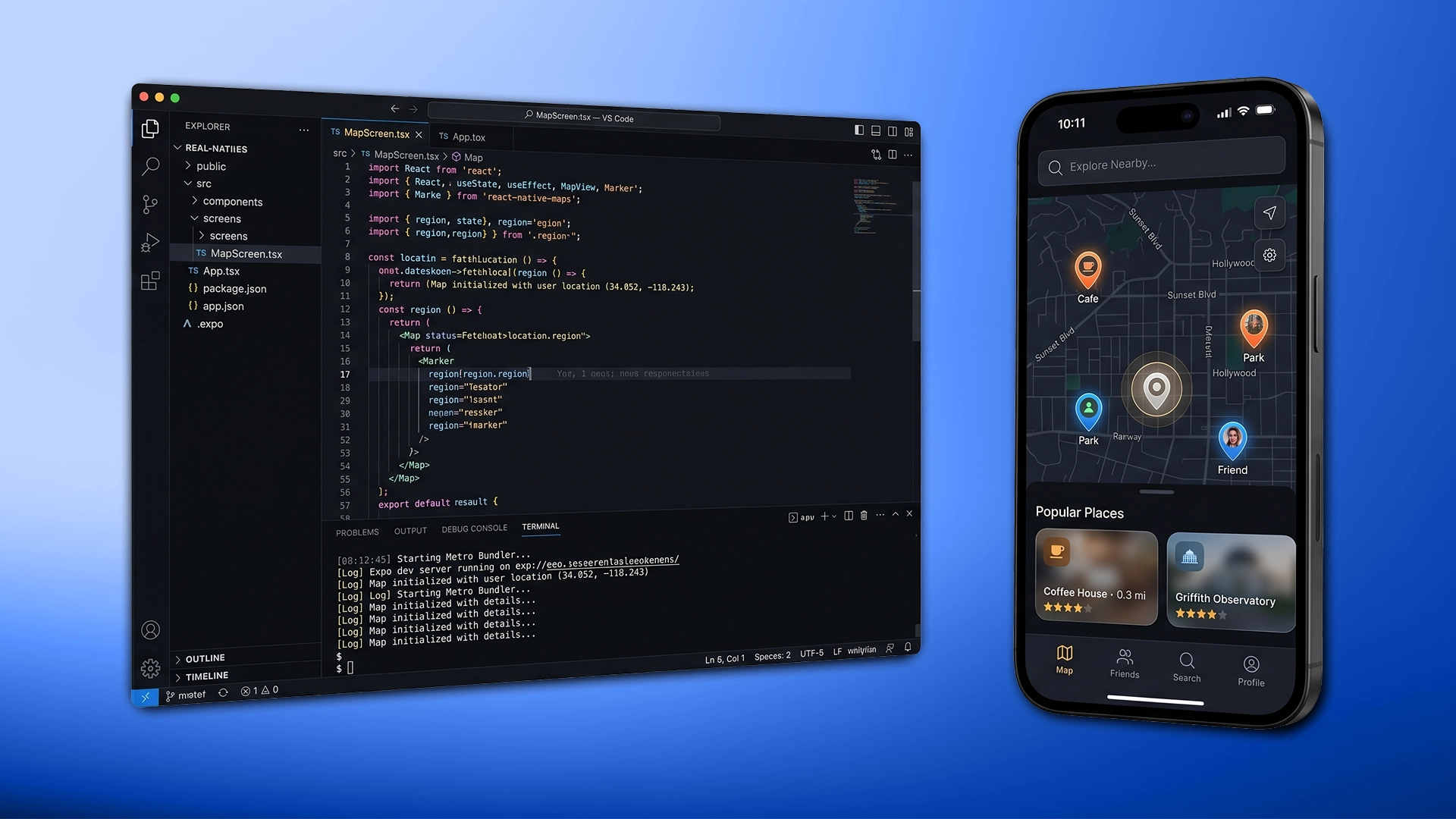
Today, more and more software products are being created using AI tools and an approach already known as Vibe Coding. A developer, entrepreneur, or startup team formulates an idea based on intuition, quickly generates code using AI, and ends up with a working product: a website, a CRM system, a Telegram bot, a mobile app, or a SaaS service.
At first glance, this looks like the ideal development model: fast, cheap, and without lengthy design phases. But this approach has a significant drawback–the requirements for technical documentation become significantly lower. Many decisions are made “on the fly,” without a detailed description of the logic, system behavior scenarios, and edge cases.
As a result, the product may indeed “work,” but the question remains: does it work correctly? This is precisely why software testing after Vibe Coding becomes no less important, and in many cases – even a more critical stage of development.
Modern AI tools are capable of generating large amounts of code very quickly. However, the speed of generation does not guarantee the quality of the architecture, logic, or system stability.
In practice, the following issues often arise after Vibe Coding:
This is particularly noticeable in complex projects involving:
AI is capable of quickly creating functionality, but verifying the correctness of that functionality remains an engineering task.

Despite advances in automation and AI, it is manual testing that allows us to understand how user-friendly, logical, and aligned with business expectations a system truly is.
Automated tests check the code. Manual testing checks the product.
It is the QA specialist or analyst who is able to identify:
This is especially important after Vibe Coding, because many decisions are made without a full-fledged design phase.
One of the key challenges at Vibe Coding is that projects are often launched without a comprehensive technical specification. Therefore, before testing begins, it is necessary to effectively reconstruct the project documentation:
Only then does testing become systematic and objective.
Without this, QA turns into a chaotic check of individual screens rather than a comprehensive validation of the product.
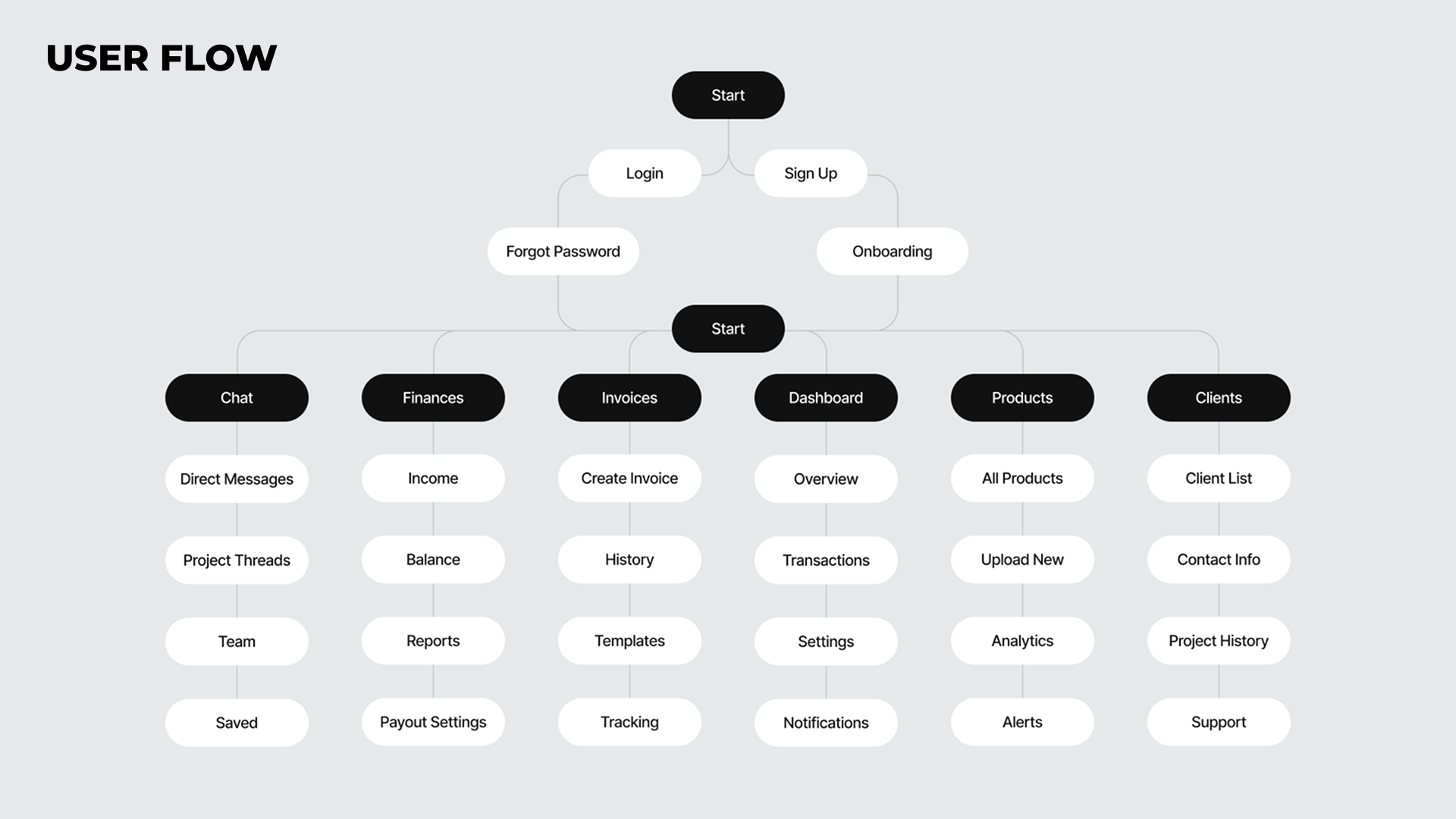

Once the system logic has been restored, the following are prepared:
This approach allows us to test not only the “main happy path” but also the product’s real-world operating conditions.
For example:

Even simple websites developed using AI often contain form errors, SEO issues, unstable responsiveness, and malfunctions on mobile devices.
Testing helps verify the correctness of the interface, performance speed, application forms, integrations, and user scenarios.

Mobile apps are particularly susceptible to UX errors and unstable logic. It is essential to test performance across different devices, operating systems, and usage scenarios.
It is important to test:
CRM and ERP systems contain a large amount of business logic, roles, automations, and integrations. After AI development, it is particularly important to verify:


SaaS products must be stable, scalable, and secure. Testing allows us to verify:
Telegram bots are often created very quickly using AI, but this is precisely where many hidden logic errors arise. It is important to check:

Configurators are one of the most complex categories of systems because they combine:
After Vibe Coding, it is particularly important to test:

The pace of digital product development will only continue to accelerate. AI truly speeds up development exponentially. But along with this, the number of the following is also increasing:
Therefore, in the coming years, the market for QA and technical audits will only become more in demand.
Companies will increasingly face a situation where a product has already been created using AI tools, but before launch, it must be:
Vibe Coding is transforming the approach to software development. Creating digital solutions is becoming faster and easier. But at the same time, the importance of testing, analytics, and systematic quality assurance is growing.
It is testing after Vibe Coding that allows you to turn a “product that sort of works” into a reliable system that you can actually use, scale, and trust with your business processes.
AI can accelerate development. But confidence in product quality still requires an engineering approach, analytics, and comprehensive QA.
Contact the experts Have a question?
Developed by AVADA-MEDIA™
The user, filling out an application on the website https://avada-media.ua/ (hereinafter referred to as the Site), agrees to the terms of this Consent for the processing of personal data (hereinafter referred to as the Consent) in accordance with the Law of Ukraine “On the collection of personal data”. Acceptance of the offer of the Consent is the sending of an application from the Site or an order from the Operator by telephone of the Site.
The user gives his consent to the processing of his personal data with the following conditions:
1. This Consent is given to the processing of personal data both without and using automation tools.
2. Consent applies to the following information: name, phone, email.
3. Consent to the processing of personal data is given in order to provide the User with an answer to the application, further conclude and fulfill obligations under the contracts, provide customer support, inform about services that, in the opinion of the Operator, may be of interest to the User, conduct surveys and market research.
4. The User grants the Operator the right to carry out the following actions (operations) with personal data: collection, recording, systematization, accumulation, storage, clarification (updating, changing), use, depersonalization, blocking, deletion and destruction, transfer to third parties, with the consent of the subject of personal data and compliance with measures to protect personal data from unauthorized access.
5. Personal data is processed by the Operator until all necessary procedures are completed. Also, processing can be stopped at the request of the User by e-mail: info@avada-media.com.ua
6. The User confirms that by giving Consent, he acts freely, by his will and in his interest.
7. This Consent is valid indefinitely until the termination of the processing of personal data for the reasons specified in clause 5 of this document.
Send CV
Contact us in any convenient way for you:
+ 38 (097) 036 29 32